Lambeth Council rubbish collection rules in Kennington
Posted on 07/07/2026
If you live in Kennington, manage a rental, or simply want to stop second-guessing bin day, understanding the Lambeth Council rubbish collection rules in Kennington can save you a lot of hassle. Missed collections, overloaded bags, and the wrong type of waste on the pavement can turn a simple routine into a messy morning. And let's face it, nobody wants to be the neighbour with the bin lid hanging open in the rain.
This guide breaks the rules down in plain English. You'll learn how collections usually work, what to do with recycling and residual waste, how to handle bulky items, and where people tend to go wrong. We'll also look at practical options for homes, landlords, and businesses in the area, with a few local pointers thrown in. If you want a broader picture of living and managing property locally, the articles on locals' experiences of Kennington living and the Kennington property guide are useful background reading too.
Here's the short version: follow the collection schedule, sort waste correctly, keep bags secure, and make sure anything large or unusual is booked or disposed of the right way. Sounds simple. In practice, a lot of the problems happen at the edges - overspill, access issues, shared bin stores, and people leaving things out early.
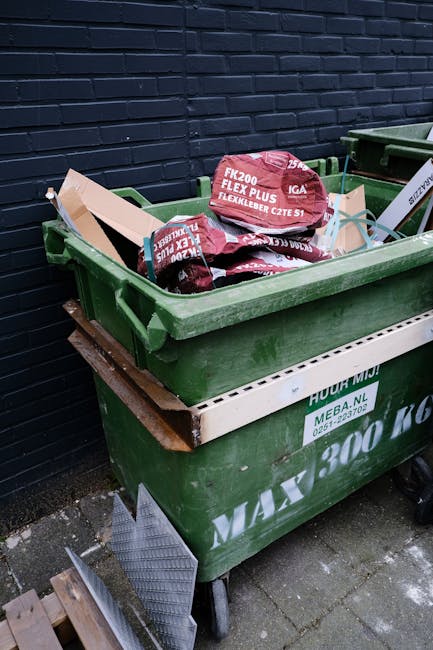
Why Lambeth Council rubbish collection rules in Kennington Matters
Kennington sits right inside a part of London where bins, pavements, terraces, estates, and narrow access roads all interact in a fairly unforgiving way. One poorly placed sack or one overflowing communal bin can cause a chain reaction: missed pickup, litter blowing down the street, complaints from neighbours, and a bit of stress nobody needed before breakfast.
That is why local rubbish collection rules matter. They are not just about tidiness. They help keep waste moving safely, protect street cleanliness, reduce fly-tipping temptation, and make sure the right material reaches the right route - recycling, general waste, garden waste, or special disposal.
In Kennington specifically, the rules matter even more because many homes are older, storage is limited, and some properties rely on shared collection points. If you've ever stepped outside on a damp Monday and seen a row of bin bags getting pecked at by gulls before the lorry arrives, you already know the reality. A little discipline goes a long way.
Expert summary: The key to hassle-free rubbish collection in Kennington is simple: know your bin type, respect your collection day, separate recyclable material correctly, and deal with bulky or awkward items before they become a street-side problem.
How Lambeth Council rubbish collection rules in Kennington Works
While exact arrangements can vary by property type, Lambeth's collection system generally revolves around scheduled kerbside or communal collections, correct sorting, and proper presentation of waste. If you live in a house with individual bins, the process is usually more straightforward. If you live in a flat, mansion block, or estate, the shared setup can be a bit more sensitive to misuse.
At a practical level, the rules usually come down to a few things:
- Use the correct container for the correct waste stream.
- Put waste out at the right time, not days early.
- Keep lids closed where possible.
- Do not leave loose rubbish beside bins unless the collection service specifically accepts it.
- Keep food waste, recycling, and general waste separate if your property uses that system.
- Arrange special handling for bulky items, electricals, garden waste, or building debris.
That sounds obvious, but the devil is in the detail. A pizza box with grease on it can be a problem for recycling. A black sack dropped beside a communal bin may be treated as excess waste rather than an accepted part of the collection. A dismantled wardrobe left in the bin store can block access for everyone else. Small things. Big annoyance.
For properties with access difficulties - for example, on tighter streets or in estate courtyards - good presentation matters even more. If you are dealing with a tricky layout, the discussion in this note on access problems for rubbish collection on Kennington Estate is especially relevant.
One thing people often forget: collection rules are not just about what is collected, but how it is collected. If your waste is hard to reach, not sorted properly, or left in the wrong place, the collection can be delayed or missed entirely. Then you're left with bins baking in the sun or soaking in a cold drizzle. Not ideal.
Key Benefits and Practical Advantages
Following the local collection rules is not glamorous, but it pays off in ways you notice fast.
- Cleaner communal areas: less spill, smell, and litter around bin stores.
- Fewer missed collections: waste presented correctly is easier to collect.
- Better recycling outcomes: clean, well-sorted materials are more likely to be accepted.
- Less neighbour friction: shared buildings stay calmer when everyone plays by the same rules.
- Lower risk of extra disposal costs: especially if you avoid using the wrong route for bulky or mixed waste.
There's also a property angle. In Kennington, well-managed waste storage is one of those small details that affects how a home feels and, in rented or managed buildings, how professionally it is run. If you want to see why local upkeep and presentation matter more than people often think, the local real estate trends article and our property guide both give useful context.
And yes, it can even affect how pleasant the street smells on a warm day. Anyone who has walked past overfilled bins near a terrace after a busy weekend knows exactly what I mean.
Who This Is For and When It Makes Sense
This guide is useful for more people than you might expect. If you live in Kennington, rent out a flat, manage a block, or run a small business nearby, the rules shape your day-to-day waste routine.
Homeowners and tenants
If you are responsible for your own bins, you need to know what goes out when, how to sort it, and what to do with items that do not fit the normal schedule. A lot of headaches happen when people move in and assume the previous household's routine still applies. It usually doesn't.
Landlords and letting agents
In shared houses and flats, waste management becomes a landlord responsibility in the broader sense, even if tenants do the day-to-day sorting. Clear instructions help avoid overflowing bins, complaints, and avoidable callouts. A small bin notice near the kitchen? Surprisingly useful.
Flat managers and resident groups
Communal stores need clear rules for where bags go, when bulky items may be placed out, and who handles contamination. If you've ever opened a bin store and found a mattress leaning against a recycling cage, you know why this matters.
Small businesses and offices
Offices, cafes, salons, and shops often generate waste patterns that do not fit a normal household bin model. If you're nearby on a busier road or have tighter opening hours, you may need a more structured collection arrangement. For business-specific situations, commercial rubbish collection in the Kennington area is worth reading alongside this guide.
Builders, renovators, and declutterers
If you are clearing out a loft, replacing furniture, or tackling a renovation, the regular council route may not cover everything you have. That is where specialist waste handling becomes relevant, especially for mixed materials or heavier loads. More on that in the comparison section below.
Step-by-Step Guidance
Here is the practical part. If you want fewer missed collections and less bin-day chaos, use this process.
- Confirm your property's collection setup. Are you on individual bins, a communal system, or a managed estate arrangement? Different layouts create different responsibilities.
- Separate your waste before collection day. Keep recycling clean and dry where possible, and avoid mixing general waste into recycling containers.
- Put out waste at the right time. Early presentation can create clutter and attract litter, while late presentation risks a missed pickup.
- Keep bags secure and bins closed. Loose waste is far more likely to spread. One ripped bag and suddenly the pavement looks like a wind tunnel has gone through it.
- Watch for bulky or unusual items. Furniture, mattresses, builders' waste, and electricals usually need a specific route rather than the standard bin.
- Deal with overflow before it becomes routine. If your household produces more waste than the bin capacity allows, you need a different plan, not just an extra bag balanced on top.
- Record recurring issues. If collections are frequently missed or access is blocked, keep notes. That helps when speaking with building management or arranging an alternative solution.
A tiny but useful habit: keep a spare bag or two near the bin area, but not loose outside. That way, if something leaks or tears while you are taking rubbish out on a wet evening, you're not scrambling at the last minute. London weather loves that kind of timing.
Expert Tips for Better Results
After seeing how rubbish collection goes wrong in real homes and small buildings, a few patterns stand out.
First, reduce waste before collection day. If you know a household clear-out is coming, separate reusable items, recyclables, and rubbish early. Do not leave it all for one frantic Sunday night session. That's usually when people overfill bags and lose track of what belongs where.
Second, think about the route your waste takes. Clean cardboard, segregated food waste, and intact glass are much easier to handle than mixed, greasy, or wet material. A bit of care at the source improves the outcome downstream.
Third, if you share a bin store, communicate. One short message to neighbours or residents can prevent a lot of confusion. "Please keep the right-hand bin for recycling only" is not exactly poetry, but it works.
Fourth, use specialist services when the load stops being ordinary. Don't force a sofa, broken furniture, or renovation debris into a system that was never designed for it. It ends badly, and often expensively.
If you need help with larger items, it can be worth comparing approaches through the broader waste pages and related guides such as bulky rubbish pickup timing in Kennington and how to avoid hidden rubbish collection charges. Those pieces are especially useful when your waste problem sits somewhere between "normal bin day" and "full clear-out".

Common Mistakes to Avoid
Most collection problems are avoidable. The same mistakes show up again and again, and they are often the ones that seem harmless at first.
- Putting waste out too early: this can lead to mess, missed sorting, or bags being torn open.
- Using the wrong container: especially in blocks with separate systems for recycling, food waste, and residual waste.
- Mixing materials: one contaminated load can be enough to cause rejection of a whole bin.
- Leaving loose waste beside bins: it looks temporary, but it becomes a permanent eyesore surprisingly quickly.
- Ignoring access issues: a bin store blocked by bikes, prams, or furniture is a collection problem waiting to happen.
- Assuming bulky items are included: they often are not.
One of the biggest mistakes is waiting until the bins are already full before acting. At that point, your choices narrow fast. You can compress, reorganise, or look for a separate removal solution. None of those are as easy as just staying on top of it in the first place.
Tools, Resources and Recommendations
You do not need a complicated system, but a few simple tools make life easier:
- Bin labels or colour-coded stickers: helpful in shared houses and communal stores.
- A small indoor sorting station: keeps recycling, food waste, and general rubbish separate before it goes outside.
- Heavy-duty bags and tie clips: useful for preventing leaks and split bags.
- A phone reminder for collection day: basic, but effective. Truth be told, everyone forgets at least once.
- A contact list for building management or the waste provider: important when collections are blocked or missed.
If you are comparing broader support options, the site's services overview can help you understand how different waste and clearance needs are typically handled. For sustainability-minded readers, the recycling and sustainability page also fits neatly with the practical side of local waste management.
And if you are planning a larger clear-out, the related pages on house clearance in Kennington, office clearance, furniture disposal, and garden waste removal are all sensible next stops.
Law, Compliance, Standards, or Best Practice
When people talk about rubbish rules, they often mean council collection practice, but there is also a wider compliance angle. In the UK, waste has to be handled responsibly, and households and businesses both need to avoid presenting waste in a way that creates a nuisance or a safety risk. The exact council process can vary, so it is always best to follow the current local instructions for your property type rather than relying on old habits.
For businesses, the standard is higher. You are expected to manage waste securely, keep separation sensible, and use appropriate disposal routes for commercial loads. That is not just bureaucracy for the sake of it. It helps prevent fly-tipping, contamination, and unsafe storage in shared spaces.
Best practice in Kennington usually means:
- keeping communal areas clear for crews and residents;
- not overfilling containers;
- separating recyclable from non-recyclable material;
- booking special handling for bulky, electrical, or construction-related waste;
- using a reputable provider when the council route is not suitable.
If safety matters to you - and it should - the page on insurance and safety gives a useful sense of how responsible waste handling should be approached. Also, if you want to understand the company's standards more broadly, the about page, terms and conditions, payment and security, and privacy policy are there for transparency.
Options, Methods, or Comparison Table
If you are trying to decide the best route for waste in Kennington, it helps to compare the main options rather than guessing. Different waste types need different solutions. Simple enough, but people often muddle this up.
| Option | Best for | Strengths | Limitations |
|---|---|---|---|
| Standard council collection | Routine household waste and recycling | Convenient, familiar, suitable for day-to-day use | Not ideal for bulky, oversized, or mixed renovation waste |
| Communal bin system | Flats, estates, shared homes | Simple for multiple households, space-efficient | Needs cooperation; contamination spreads quickly |
| Bulky waste arrangement | Large furniture or awkward household items | Designed for larger items that won't fit normal bins | Usually needs booking and proper preparation |
| Specialist waste collection | Clear-outs, office waste, builders' waste, large volumes | Flexible and suited to mixed or heavy loads | Requires choosing the right provider and planning ahead |
For some readers, the decision is obvious. A broken chair and a few bags? Standard route may be enough if accepted locally. A kitchen rip-out, multiple wardrobes, or an office move? Specialist support usually makes more sense. If you want to compare service options in a practical way, waste collection in Kennington is a good starting point, while builders' waste disposal is more relevant for renovation work.
Case Study or Real-World Example
Here's a typical Kennington scenario, and it comes up more often than you might think.
A resident in a Victorian terrace is refurbishing a bedroom. There are old shelves, a mattress, flat-pack packaging, broken lighting, and several bags of mixed waste. At first, everything gets stacked by the front wall, because it feels easier to sort later. By the next morning, one bag has split, cardboard is damp from overnight rain, and the pavement looks untidy. Neighbours are annoyed. The household now has a clear-out problem and a courtesy problem.
The better approach would have been to separate the cardboard, bag the mixed rubbish securely, book an appropriate collection for the mattress and furniture, and keep nothing outside until it was ready to go. That slightly slower approach would have saved time overall. It always does.
We have seen similar situations around busy local streets near transport routes and residential blocks, where access and timing matter as much as waste type. If that sounds familiar, the local articles on rubbish removal options near Oval Station and rubbish clearance services around the Oval are worth a look for location-specific context.
Practical Checklist
Use this before collection day. It keeps things calm.
- Check which bins or containers your property uses.
- Separate recycling, general waste, and food waste correctly.
- Keep lids shut and bags tied securely.
- Do not block bin store access with bikes, prams, or furniture.
- Take out waste at the right time for collection.
- Remove bulky items from the standard bin area and book the right solution.
- Make sure cardboard is flattened if your setup expects it.
- Keep liquids and food residue out of recycling where possible.
- Ask residents, tenants, or housemates to follow the same routine.
- Review recurring problems before they become habit.
If the situation is more than routine, compare your options carefully. A short planning session now can stop a much bigger mess later.
Get a free quote today and see how much you can save.
Conclusion
Understanding Lambeth Council rubbish collection rules in Kennington is mostly about making ordinary life run more smoothly. No drama, no fancy tricks - just the kind of practical habits that keep bins moving, pavements clear, and neighbours on speaking terms.
The main lesson is simple: match the waste to the right system, keep collections tidy and timely, and do not try to force bulky or mixed waste into a routine that was never meant for it. If you do that, most of the common problems disappear before they start. And that, to be fair, is a very good feeling on a busy London street.
Whether you live in a flat, a terrace, or a managed building, a little waste discipline goes a long way. The street looks better. The bins work better. Life feels a bit easier. Not perfect, of course - but better. Much better.

 Tipper Van - Waste Collection and Basement Waste Clearance Prices in Kennington, SE11
 Luton Van - Waste Collection and Basement Waste Clearance Prices in Kennington, SE11


