Rubbish disposal laws and recycling rules for Kennington flats
Posted on 18/08/2026

Living in a flat in Kennington sounds simple until bin day arrives. Suddenly you are checking labels, wondering which bag goes where, and trying to work out whether that old chair counts as bulky waste or just another headache. Rubbish disposal laws and recycling rules for Kennington flats matter because the smallest mistake can lead to overflowing bin stores, unpleasant smells, neighbour complaints, or worse, council enforcement. Not exactly the sort of drama anyone wants on a Tuesday morning.
This guide breaks the topic down in plain English. You will get a practical explanation of how flat-based waste disposal normally works, what good recycling habits look like, how to avoid common slip-ups, and when it makes sense to arrange a larger clearance. Along the way, we will also flag a few local realities that tenants, leaseholders, and landlords in SE11 tend to run into.
Why Rubbish disposal laws and recycling rules for Kennington flats Matters
In a flat, waste is never just your waste. It passes through shared hallways, communal bin stores, loading bays, courtyards, and sometimes very narrow access points that make every bag feel heavier than it should. That is why rubbish disposal rules matter more in flats than in houses. One person leaving a black bag beside the bins can create a chain reaction: pests, blocked access, complaints, and a bin store that starts to look and smell worse by the hour.
Kennington has a lot of apartment living, from older mansion blocks to newer developments and converted buildings. Different buildings have different arrangements, but the core pressure is the same: space is limited, collection points are shared, and recycling contamination is easy to cause. Mix the wrong items together and the whole load can become less useful. To be fair, this is where most people trip up, not from laziness but from uncertainty.
It also matters because landlords, managing agents, and residents all have a stake in keeping the property tidy and compliant. A poor waste setup can affect the appearance of the block, resident satisfaction, and even property desirability. If you want a wider picture of how local living standards and property expectations shape this area, the expert guide to Kennington property and the latest Kennington real estate trends are useful background reading.
And then there is the human side of it. Nobody enjoys lifting a dripping food bag down three flights of stairs or finding someone has dumped a mattress beside the recycling bin because they could not be bothered. A tidy system saves time, reduces friction with neighbours, and makes life feel a bit more under control. That counts for a lot in busy London flat life.
How Rubbish disposal laws and recycling rules for Kennington flats Works
At a basic level, flat waste disposal in Kennington usually follows three layers: what residents are allowed to put out, how the building manages communal waste, and what the local collection service accepts. The exact setup will vary by block, but the logic is mostly the same.
First, there are household waste rules. Residents should separate general rubbish from recyclable materials and keep waste contained. Loose rubbish on the ground is a problem, as is leaving items outside the bin store too early. If your building has a waste room or chute, use it correctly and do not force unsuitable items into it. Chutes and compact systems are especially unforgiving. A pizza box with greasy food residue, for example, is a small thing that can still cause a mess if it goes in the wrong place.
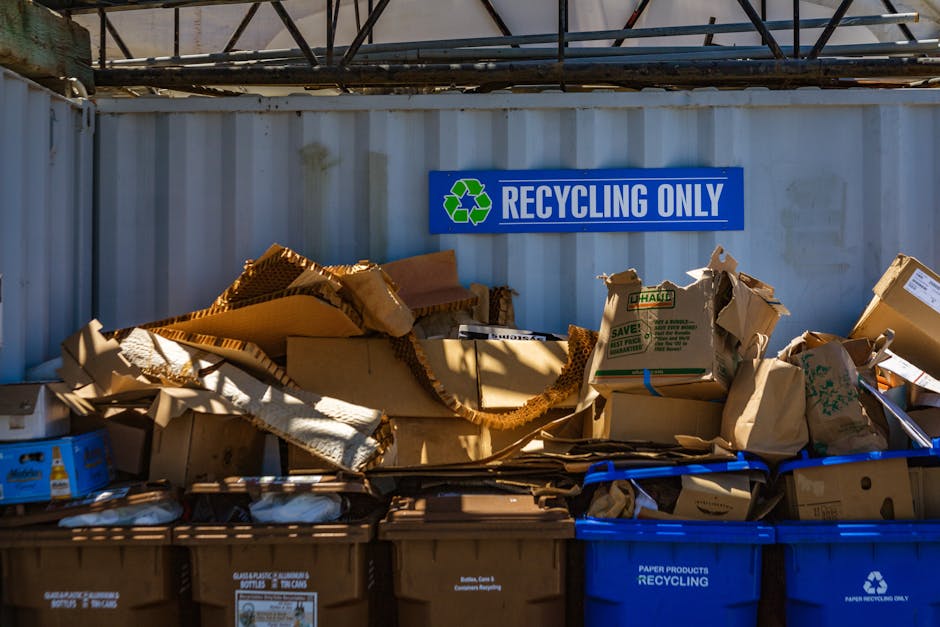
Second, there is recycling. Mixed recycling normally includes items such as clean paper, card, certain plastics, and cans, but contamination rules matter. Food scraps, liquids, and heavily soiled packaging can ruin the value of the recycling. If a carton is half full of tea or a takeaway tub still smells of curry, pause before tossing it in. Nobody wants a recycling bin that smells like last night's dinner at 8am.
Third, there is bulky or unusual waste. Flat residents often need to deal with furniture, broken appliances, mattresses, old carpets, and renovation leftovers. These are usually not suitable for standard communal bins. That is where planned collection, reuse, or specialist disposal comes in. If you are dealing with a larger clear-out, furniture disposal in Kennington and local waste collection services may be more appropriate than trying to squeeze everything into a shared bin store.
One practical note: access matters. Flats often have narrow entrances, limited parking, timed loading areas, and lift restrictions. That can affect how rubbish is moved out safely. If you have ever tried carrying a wardrobe down a stairwell while avoiding a wall scuff, you will know the problem instantly. For buildings with difficult access, reading about access problems for rubbish collection on Kennington Estate can be helpful.
Key Benefits and Practical Advantages
Getting the rules right is not only about avoiding trouble. There are some immediate, everyday benefits too.
- Cleaner communal areas: bin stores stay usable and do not become an eyesore.
- Fewer neighbour disputes: waste is one of the quickest ways to irritate people in shared buildings.
- Lower pest risk: proper containment and regular removal reduce smells and attract fewer unwanted visitors.
- Better recycling outcomes: clean, sorted material is more likely to be recycled properly.
- Less stress on collection day: you know what goes where, so there is no last-minute panic.
- Reduced risk of penalties: staying within the rules helps you avoid enforcement issues and nuisance complaints.
There is also a broader benefit that people often underestimate: good waste habits make a building feel better maintained. That matters if you are renting, selling, or managing a block. Residents notice the smell of the bin area before they notice the polished lift panel. Strange but true.
If sustainability is important to you, there is another upside. Recycling properly is one of the simplest ways to reduce avoidable waste. You can also explore the site's recycling and sustainability approach for a wider view of how responsible disposal fits into everyday waste handling.
Who This Is For and When It Makes Sense
This topic is relevant to far more people than you might think. If you live in a Kennington flat, you probably need it already. But the details matter in different ways depending on your role.
- Tenants: You need to know what your tenancy agreement expects, how to use communal bins, and what happens if you leave waste in the wrong place.
- Leaseholders: You may have block rules to follow, especially around shared stores, bulky items, and refurbishment waste.
- Landlords: You need to keep the building tidy, reduce complaints, and make sure waste arrangements are clear for new occupants.
- Managing agents: You are often the person everyone contacts first when the bin room starts to overflow. Not the glamorous part of the job, clearly.
- Flat sharers: If several people live together, waste habits can fall apart quickly unless someone takes charge of the basics.
It also makes sense whenever your waste output changes. That might be after a move, a clear-out, a furniture upgrade, or a renovation. If you are planning any larger domestic job, you may want to look at house clearance in Kennington or builders waste disposal in Kennington rather than trying to manage the whole thing through the communal bins.
One small but important thing: if you are living near busy parts of SE11, like around transport links or dense residential blocks, waste needs more discipline. That is where local knowledge helps. Articles such as rubbish removal options near Oval Station and clearance services for homes near The Oval show how location can shape practical choices.
Step-by-Step Guidance
If you want a simple way to stay on the right side of the rules, use this process. It is not complicated, but it does need consistency.
- Check your building rules first. Some blocks have specific instructions for bin rooms, recycling, and bulky waste. Start there, because they may be stricter than you expect.
- Separate waste at source. Keep general waste, recycling, food waste, and bulky items apart from the beginning. Once everything is mixed in one bag, the whole job becomes harder.
- Clean recyclable packaging. Empty containers properly and remove obvious food residue where practical. You do not need to scrub everything like a lab technician, but do not leave a sauce-covered box in the recycling pile either.
- Use the right container or bin. Put waste into the correct shared bin and close lids where applicable. If the lid will not shut, that is a sign you should stop and rethink the load.
- Do not leave waste in circulation areas. Hallways, stairwells, landings, and entrances are not temporary storage spaces. They are safety routes.
- Arrange separate disposal for bulky waste. Large items should be planned, not improvised. That may mean booking a collection or arranging a proper drop-off if available.
- Plan around collection times. Put waste out when required, not days early. Early dumping is a classic way to create mess and complaints.
- Keep records if you manage a block. If you are a landlord or agent, document issues and collections. A simple log can save a lot of confusion later.
For residents dealing with awkward timings or last-minute clear-ups, it can help to read about bulky rubbish pickup times in Kennington and same-day rubbish removal problems and delays in SE11. Sometimes the challenge is not the waste itself, but the timing. And timing, as we all know, is annoyingly everything.
Expert Tips for Better Results
A few habits make a big difference in flats. These are the sorts of things that save time, keep the bin room usable, and reduce conflict.
- Flatten cardboard before bin day. It sounds basic because it is, but compacting boxes can double the usable space in a shared recycling bin.
- Keep one small sorting area inside the flat. A simple caddy or box for recycling helps stop everything ending up in one bag.
- Rinse only where needed. You do not need to waste water, but food-contaminated packaging should not go straight into recycling.
- Book bulky removals early. Especially if you are moving or replacing furniture, waiting until the day before is asking for stress.
- Use bags that close properly. Loose rubbish in shared corridors is a sure way to create mess. Also, nobody enjoys picking up tea drips from a stair tread.
- Talk to neighbours before a big clear-out. In a tight building, a quick heads-up can prevent misunderstandings about temporary waste placement or loading access.
Here is a small local reality check: Kennington flats can vary a lot. Some have generous storage and decent bin rooms. Others do not. So a good system in one building may fall apart in another. That is why a flexible, practical approach beats a one-size-fits-all rule book every time.
If you ever need broader support beyond day-to-day recycling, the pages on services overview and pricing and quotes can help you understand how larger collections are typically arranged. And if you want a bit of reassurance around safety and handling, insurance and safety is worth a look too.

Common Mistakes to Avoid
Most waste problems in flats come from a small set of mistakes. Once you know them, they are much easier to dodge.
- Mixing food waste with recycling. This is probably the most common issue. One messy container can affect the rest of the bin.
- Leaving bags beside a full bin. If the bin is full, report it or wait for the next collection rather than abandoning your rubbish next to it.
- Putting furniture into communal bins. A chair is not a bag of rubbish. It needs a different route.
- Ignoring building-specific rules. Some properties have strict arrangements for access, storage, or timing.
- Using the wrong disposal route for renovation waste. Plasterboard, tiles, and similar items often need separate handling.
- Assuming someone else will sort it. In shared buildings, that line of thinking rarely ends well.
There is also a reputational point here. Repeated waste issues can make a building feel poorly run, even when the flats themselves are fine. If you are a resident or landlord trying to keep standards high, it helps to stay ahead of the problems rather than reacting after complaints have already started. That part is never fun, let's face it.
For a sense of how local enforcement and repeat issues can become a bigger headache, the article on enforcement for rubbish in Kennington is a useful companion read, as is Lambeth council rubbish collection rules in Kennington. Those pieces are handy if you want the wider context around compliance and expectations.
Tools, Resources and Recommendations
You do not need fancy equipment to manage flat waste well. A few basic tools are usually enough.
- Clearly labelled indoor sorting bins for recycling, general waste, and food waste where relevant.
- Strong refuse sacks that close properly and do not split on the stairs.
- Foldable boxes or cardboard flats for temporary storage of dry recyclables before collection day.
- Gloves and a simple cleaning spray for dealing with spillages in the flat or bin area.
- A phone reminder so collection day does not sneak up on you while you are out at work.
For larger or awkward waste, use a proper collection route rather than improvising. That is especially true for mattresses, wardrobes, and items too large for standard bins. If you are moving out, changing furnishings, or clearing a room, the most relevant options are usually house clearance, furniture disposal, or general waste collection.
For people living in blocks with tougher access or tighter loading space, it can also help to read the practical pieces on access problems for rubbish collection on Kennington Estate and how to avoid hidden rubbish collection charges in Kennington. Both are very down-to-earth, and frankly that is what most people need.
Law, Compliance, Standards, or Best Practice
When people search for rubbish disposal laws and recycling rules for Kennington flats, they usually want one thing: what am I actually responsible for? The honest answer is that responsibility is shared, but not evenly. Residents must dispose of waste properly. Building managers must provide clear, workable arrangements where they are responsible for communal facilities. Landlords and agents should ensure the waste setup is suitable for the property and does not create avoidable hazards or nuisance.
Best practice in a flat setting usually includes the following:
- Use bins only for the material they are meant to hold.
- Keep communal areas free of loose rubbish.
- Store waste securely until collection time.
- Separate recyclables cleanly and consistently.
- Arrange proper disposal for bulky, hazardous, or renovation waste.
- Follow building instructions and local collection arrangements.
Because rules can differ by property, it is wise not to assume every flat works the same way. One block may have a recycling room with separate streams; another may use shared wheelie bins; another may have limited collection access and stricter placement times. The principle stays the same, but the operational details shift.
If your situation involves risk, access issues, or a larger amount of waste, choose caution. That is especially important where glass, sharp materials, heavy furniture, or building debris is involved. The modern slavery statement and terms and conditions pages are also useful if you want to understand the broader service standards and expectations of the provider side.
One more thing: if a waste problem keeps recurring in a block, the solution is often operational rather than mysterious. Better signage, clearer resident instructions, or a more practical collection schedule can solve more than people expect. Sometimes it really is that simple.
Options, Methods, or Comparison Table
Not every type of waste should be handled the same way. Here is a simple comparison to help you decide what fits the job.
| Waste type | Best method | Why it works | Main caution |
|---|---|---|---|
| Everyday household rubbish | Communal general waste bin | Designed for small, regular disposal | Do not overfill or leave bags outside |
| Clean recyclables | Dedicated recycling bin or store | Keeps material recoverable | Food contamination lowers recycling quality |
| Bulky items | Special collection or clearance service | Handles large objects safely | Do not use communal bins |
| Furniture during a move | Furniture disposal or house clearance | Efficient for multiple items | Check access and booking times |
| Builders waste | Specialist builders waste disposal | Suitable for heavier, mixed debris | Do not mix with domestic recycling |
In practice, the right option usually comes down to volume, weight, and how quickly the waste needs to be removed. A single broken chair is one thing. A full flat clear-out after a tenancy change is another entirely. Same word, different game.
Case Study or Real-World Example
Imagine a three-bedroom flat in a Kennington block with one shared bin store and a recycling area. Two residents have just moved out, one has ordered a sofa replacement, and the remaining occupiers are trying to keep the place tidy without upsetting the neighbours. By Friday evening, the bin area is already cramped. Cardboard boxes are folded badly, one recycling lid will not close, and the old sofa is leaning near the entrance because nobody wants to think about it.
The first problem is obvious: the sofa should never have been treated like regular rubbish. The second is more subtle: the cardboard would have taken half the space if it had been flattened properly. The third issue is timing. If bulky items are left too late, they end up in the communal area, which creates access problems and almost always irritates someone.
The practical fix is straightforward. The flat gets the cardboard broken down, the recyclable items separated, and the sofa booked for a proper collection. The residents stop using the shared bin store as a temporary holding area. Within a day, the space is usable again and the smell has eased off too. No drama, no lecture, just a better system.
If the block has difficult access or the item is especially awkward, a specialist collection makes life much easier. That is the point where a dedicated service becomes less of a convenience and more of a sanity saver. Honestly, there are moments when paying for proper removal is the cheapest option in the long run.
Practical Checklist
Use this quick checklist before you take waste out of a Kennington flat.
- Have I checked the building's bin and recycling rules?
- Is this item suitable for the communal bin store?
- Have I separated recycling from general waste?
- Is the packaging clean enough to recycle?
- Have I flattened cardboard and reduced the volume where possible?
- Am I avoiding hallways, stairwells, and exits as storage spots?
- If it is bulky, have I arranged the right type of collection?
- Do I know the collection timing and any access restrictions?
- Have I removed any sharp edges or loose parts that could cause injury?
- Would a clearer plan save me from a last-minute scramble?
Practical summary: if the item is small, clean, and accepted by the building's system, use the correct bin. If it is large, awkward, messy, or likely to block access, choose a dedicated disposal route. That simple rule prevents a lot of trouble.
Conclusion
Rubbish disposal laws and recycling rules for Kennington flats are not there to make life annoying. They exist to keep shared spaces clean, safe, and workable for everyone using them. In a flat, small habits have big consequences. A correctly sorted bag, a flattened box, or a properly booked bulky collection can make a building feel calm and well managed. The opposite is true too, unfortunately.
The good news is that once you understand the basics, the routine becomes easy. Separate your waste, respect communal spaces, follow building rules, and use the right disposal method for larger items. That is the whole game, really.
If you want to make the process easier, explore the related guidance on recycling and sustainability, service options, and the local articles on waste collection in SE11. A little planning goes a long way, and it makes flat life feel much less like a juggling act.
Get a free quote today and see how much you can save.
And if nothing else, remember this: tidy bins are a small thing, but they make a surprisingly big difference to how home feels at the end of the day.
 Tipper Van - Waste Collection and Basement Waste Clearance Prices in Kennington, SE11
 Luton Van - Waste Collection and Basement Waste Clearance Prices in Kennington, SE11


